Free tech and design workshops for K-12 students at libraries and community spaces across the Bay Area. Because the opportunity gap doesn't wait for schools to catch up.
Some classrooms I sat in had every tool imaginable; others had almost nothing. That imbalance sticks with you. These workshops began as a small weekend project to share what I know, which eventually led me to launch foundreacademy.com, a free workshop series where Bay Area kids from working-class and underrepresented families can explore entrepreneurship, build real projects, and see themselves as founders.
Working with kids has also made me a much better designer. There is no tougher or more honest test for how an interface works than watching a ten-year-old try to use it.
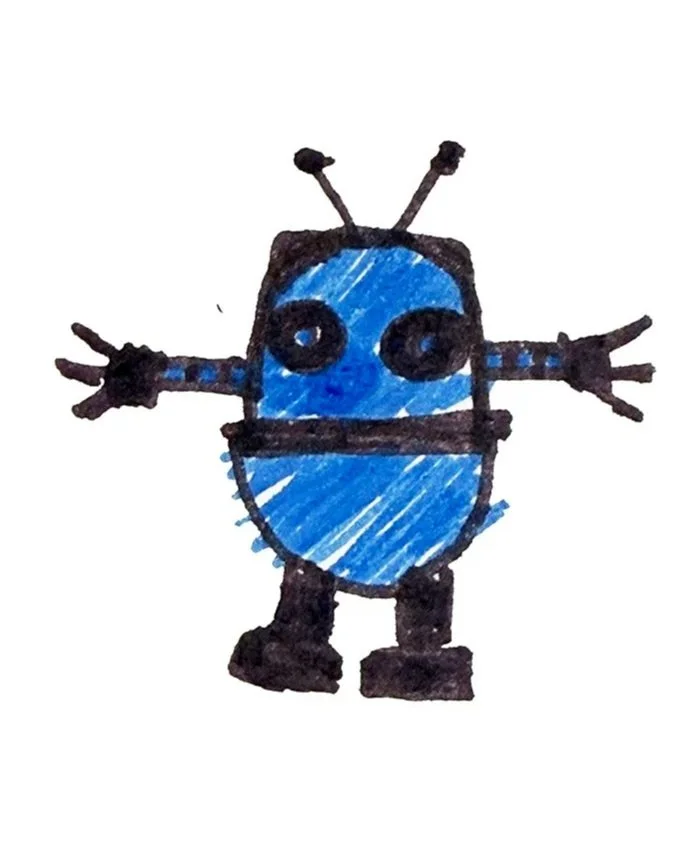
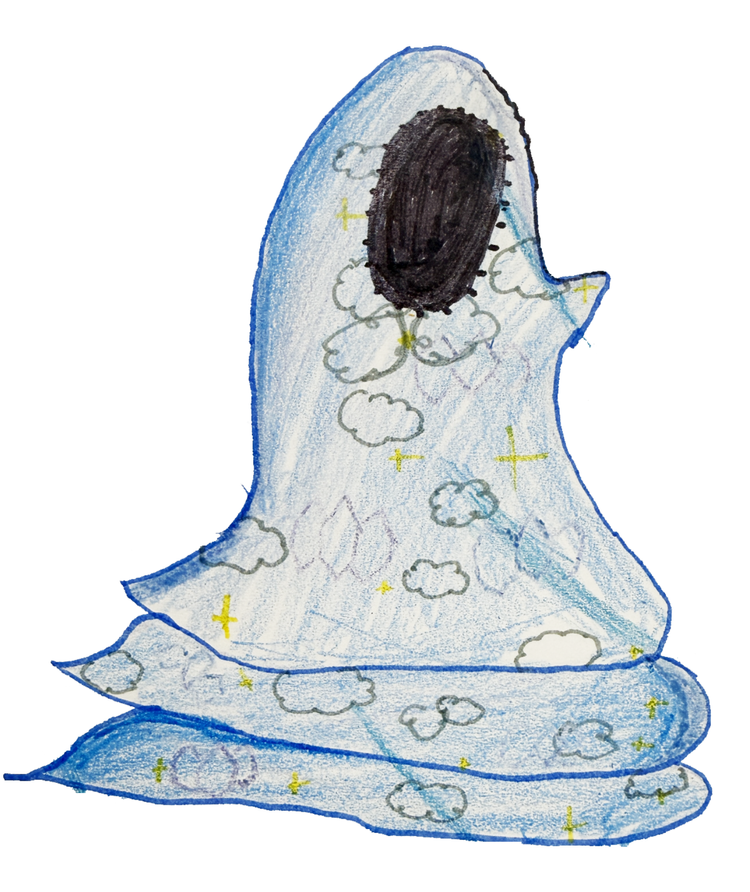


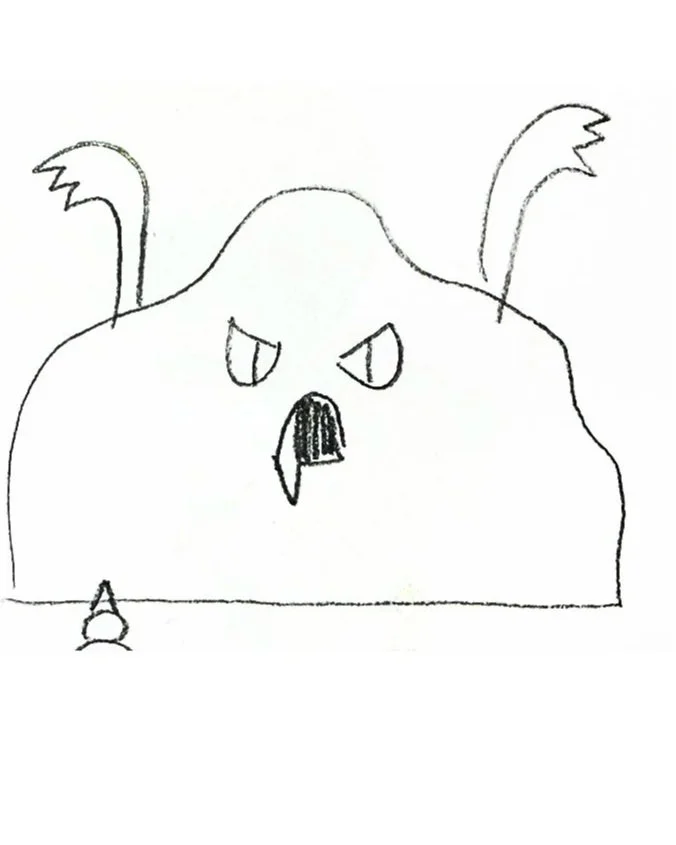
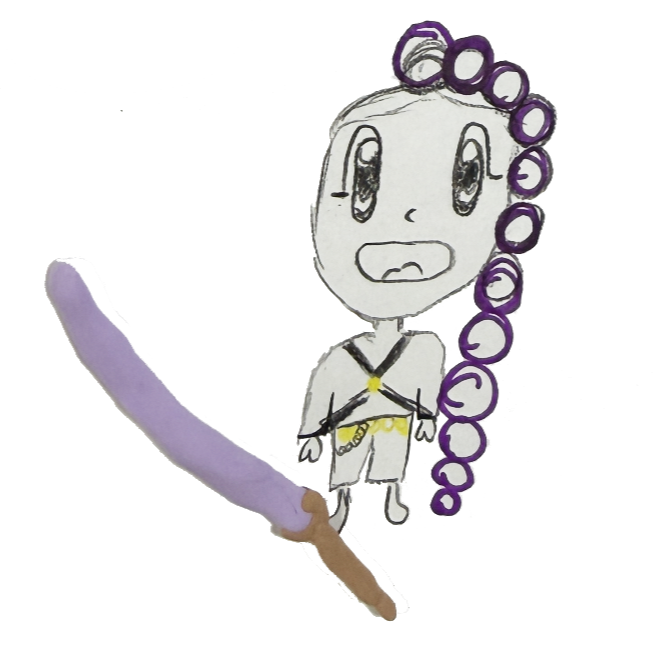
"I drew my dragon on paper, then the AI made it move! But it didn't understand her personality at first, so I had to explain she's shy but brave. Now she hides behind clouds before she roars!"
Maya, age 10, after her first AI animation workshop
The tools change. The core goal stays the same.
We started back in 2018 with mobile app prototyping. Kids sketched screens out by hand and linked them up using Adobe XD. Today, those same weekend spaces are filled with students prompting models, understanding code, and animating their own artwork using Claude and Gemini.
The main question hasn't changed: how do you design an environment where play turns into real tech literacy? My approach is to give kids complex systems and invite them to explore, mix up, and break things. They learn much faster by finding out why a design broke than by following a strict slide deck.
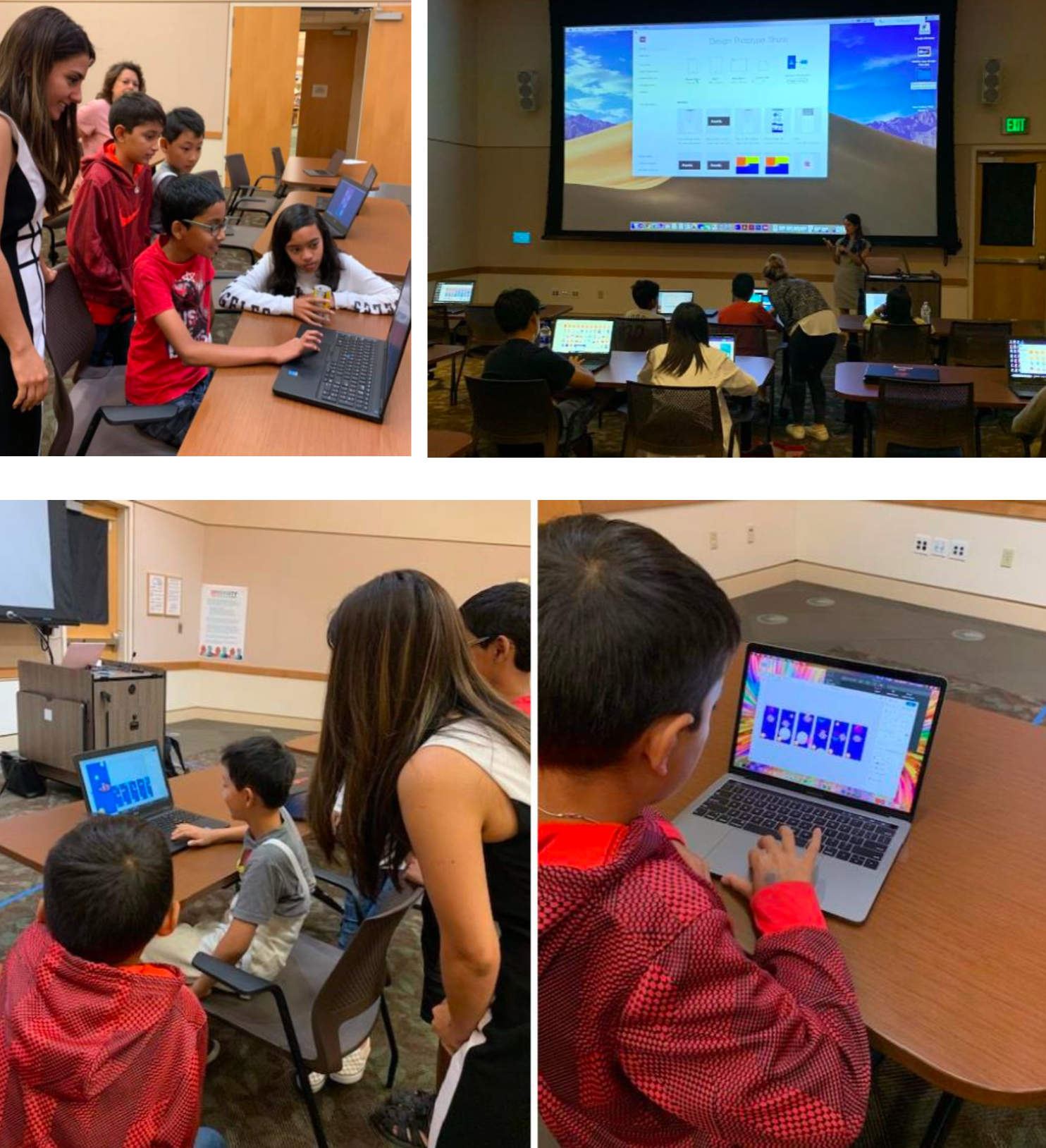
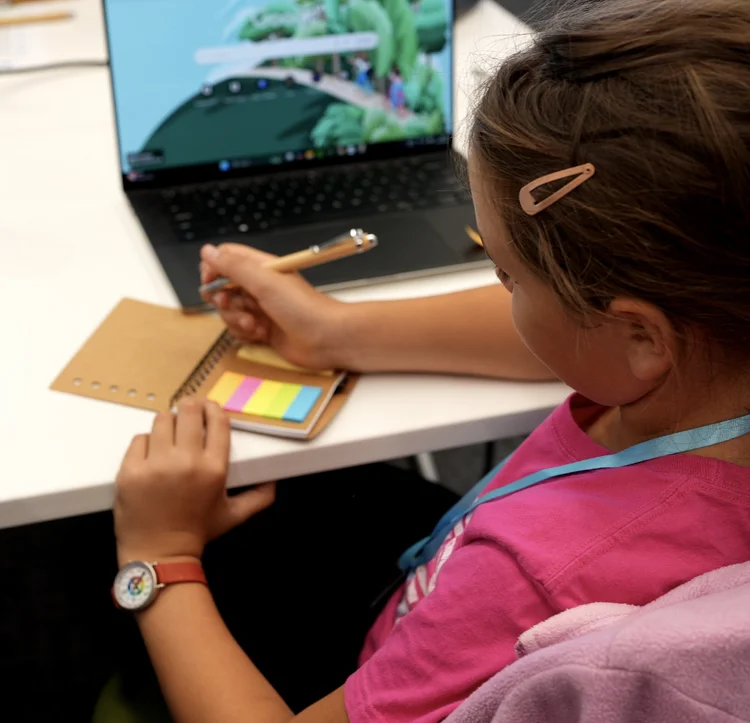
It always starts on paper, and we want to keep it that way.
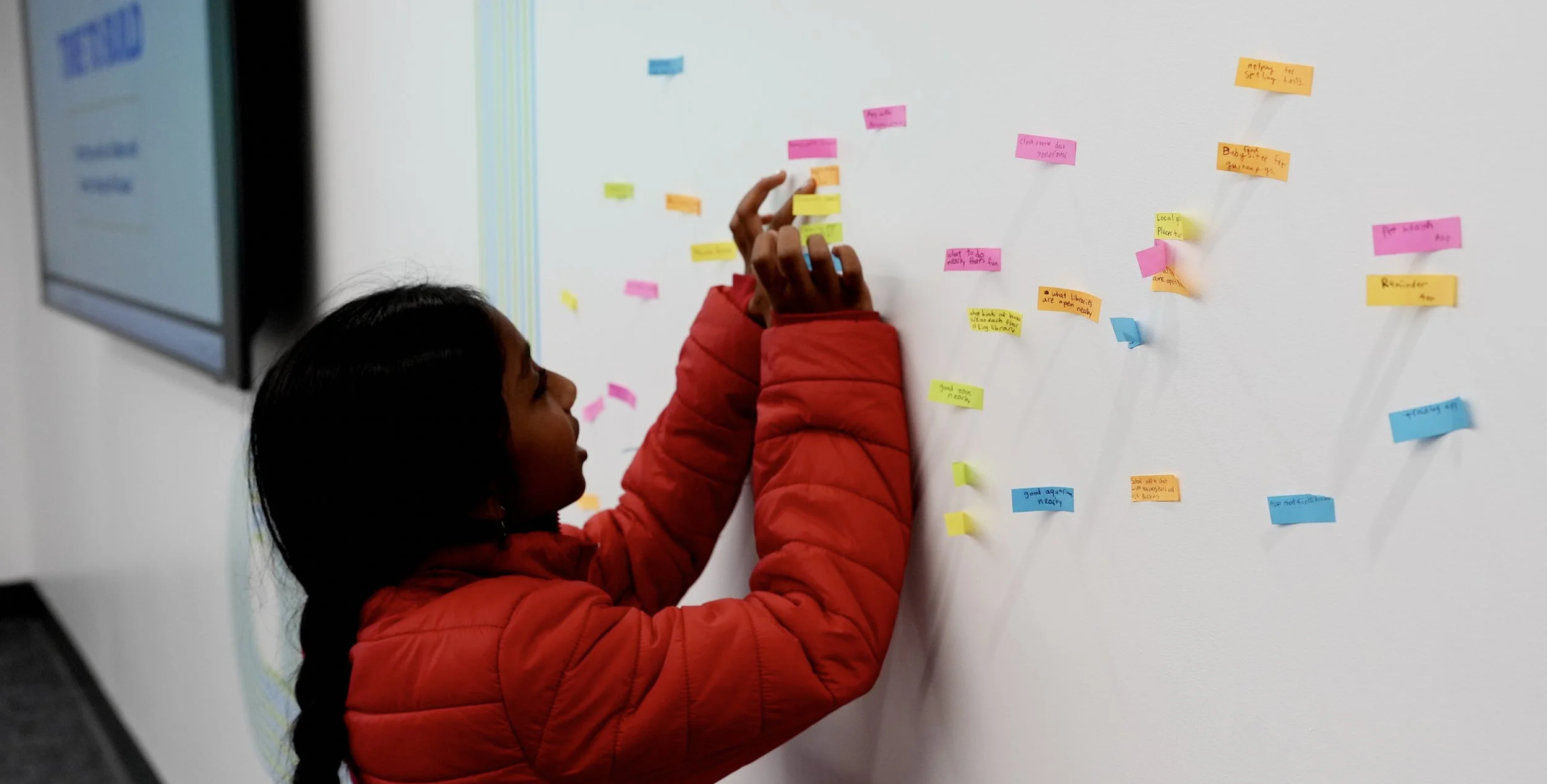
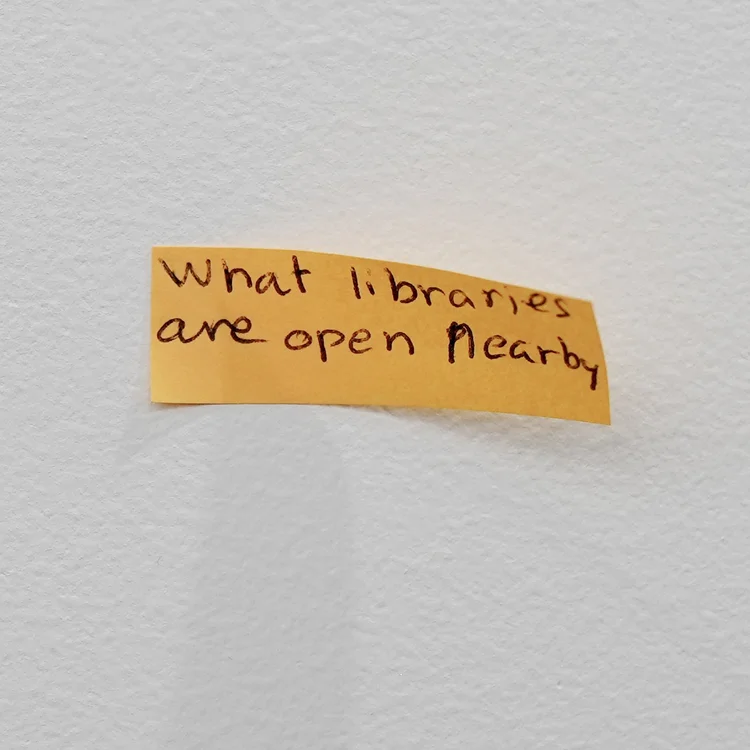
Every workshop starts completely offline. Students use markers and paper to sketch out their ideas before they ever touch a keyboard. Then we put those sketches on the wall for everyone to see. Moving ideas into the physical room changes everything. Kids start talking, collaborating, and naturally building on each other's concepts.

A working app, built in under an hour.
This session from the Willow Glen Community Center showcase highlights a student pitching a functional prototype they built completely from scratch over the course of a single afternoon session using Gemini and Claude.
The absolute highlight of these events is always watching kids present their raw ideas. The real success isn't just learning software layouts, it is seeing them walk out with genuine builder-founder confidence. Instead of looking at their futures as passive tech users, they start looking for their first product co-founders right inside the room. This is how we should look at the future of learning in Silicon Valley: technology acting as a canvas to amplify human ambition, rather than a crutch that replaces it.