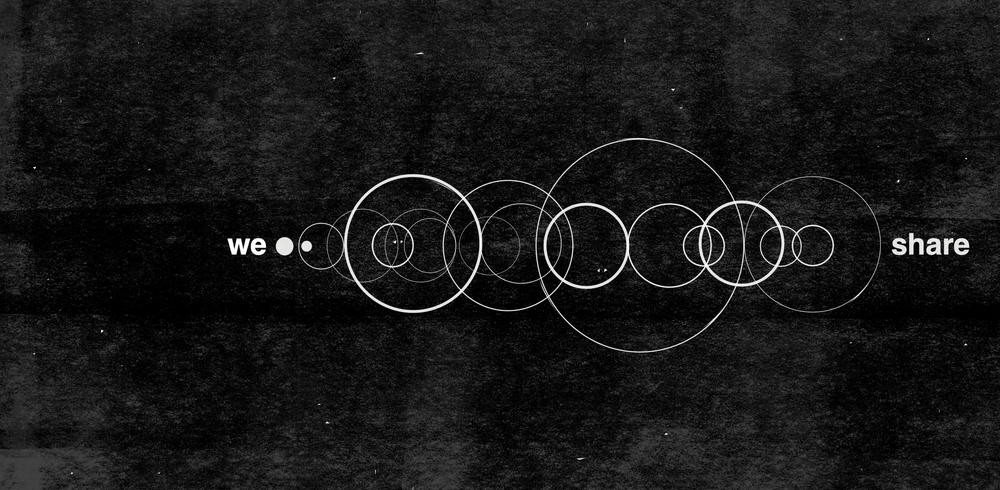
A visual study of inclusion and exclusion, told through the simplest elements of design: a dot for every person, a line for every relationship and boundary between them.
Racial, religious, linguistic, and gender differences among individuals and groups are one of the main sources of conflict in society. Lines explores those differences through the simplest visual language available: a dot for every person, a line for every relationship, boundary, or belief that separates or connects them. The project moved across three formats, a series of abstract illustrations, a short film, and an illustrated narrative, each asking the same question in a different register: what are the lines we draw around ourselves, and what would it take to see past them?
An MFA project built on the fewest possible marks.
Lines began as an MFA thesis project exploring how identity is both inherited and constructed. People are born into a sex, ethnicity, language, and socioeconomic background, and life experience continues to shape identity from there, often reinforcing the same lines rather than crossing them.
By representing every aspect of personality and belonging as a line, and every person as a dot, the project makes those forces visible. The lines can push, limit, or direct people, often without those people being fully aware of their influence, but they can also be used to build bridges rather than walls.
Dots and lines have a strong potential to reveal how people behave in society, and the project began by looking at studies that had already used them this way. "The Racial Map" plotted one dot for every person, colored by race, revealing spatial segregation that still exists in some cities. A similar approach using educational attainment data showed the same kind of separation along different lines entirely.
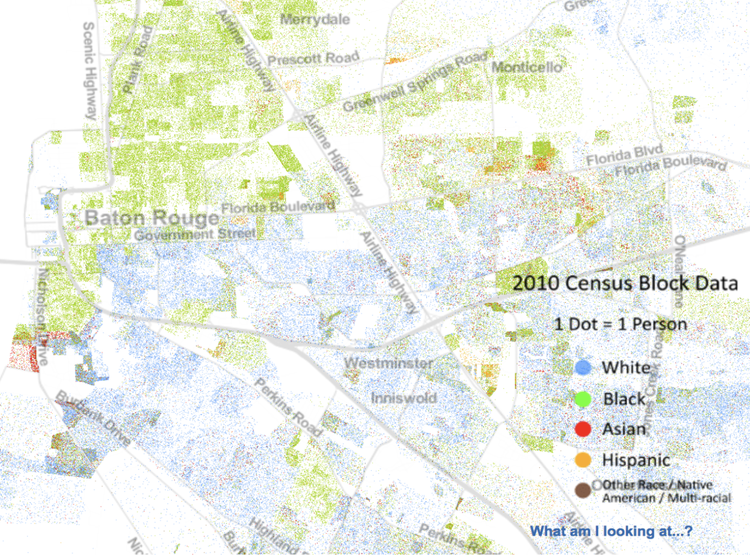
Figure 1, the racial map of Baton Rouge, LA (2010 Census)
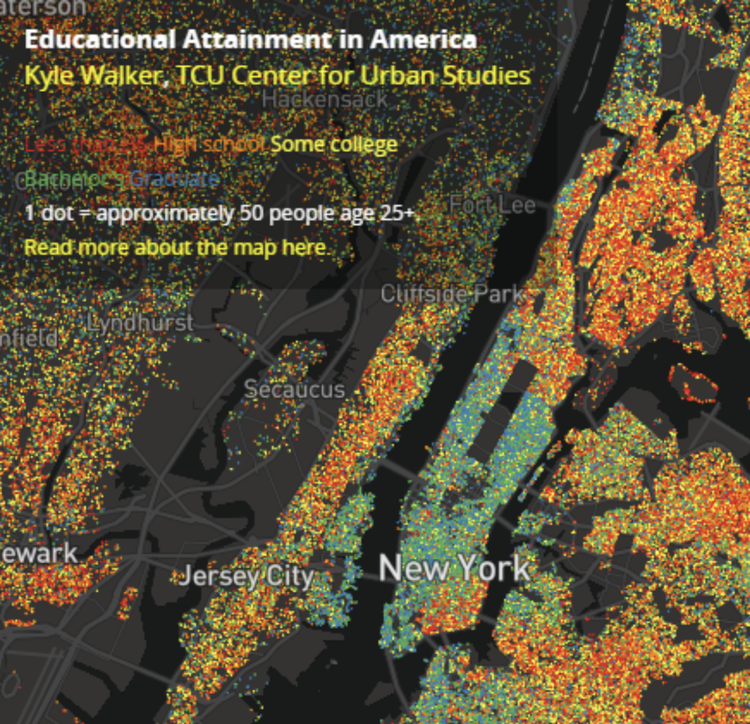
Figure 2, the educational attainment map of New York City, NY
Figure 4, functions of lines among dots. The two simplest functions are to connect (A) and separate (B). From there, lines can support an isolated dot (C), protect one dot from the outside (D), or direct a dot toward a particular direction (E).
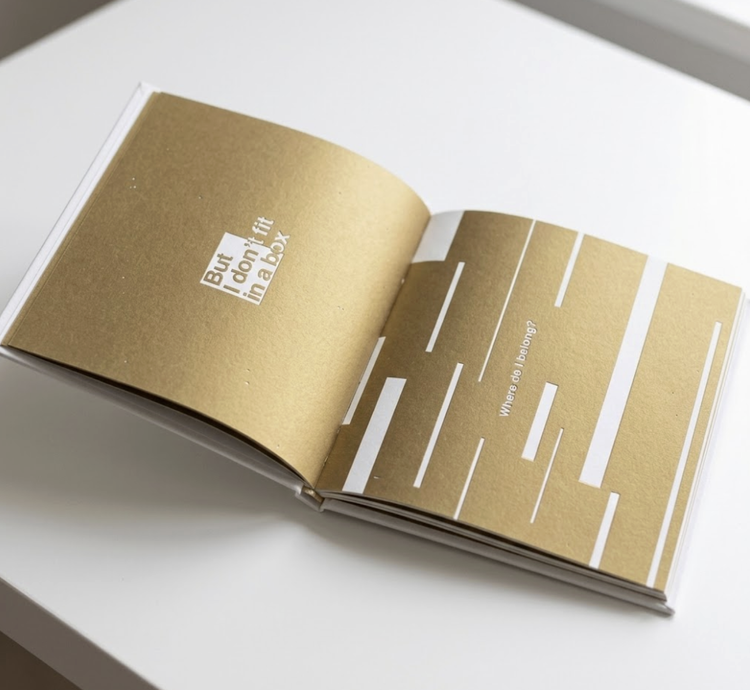
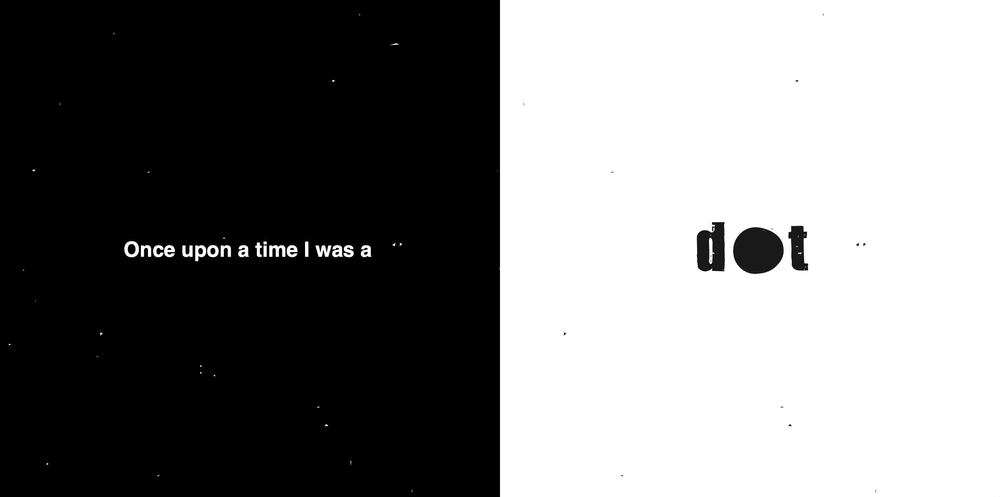
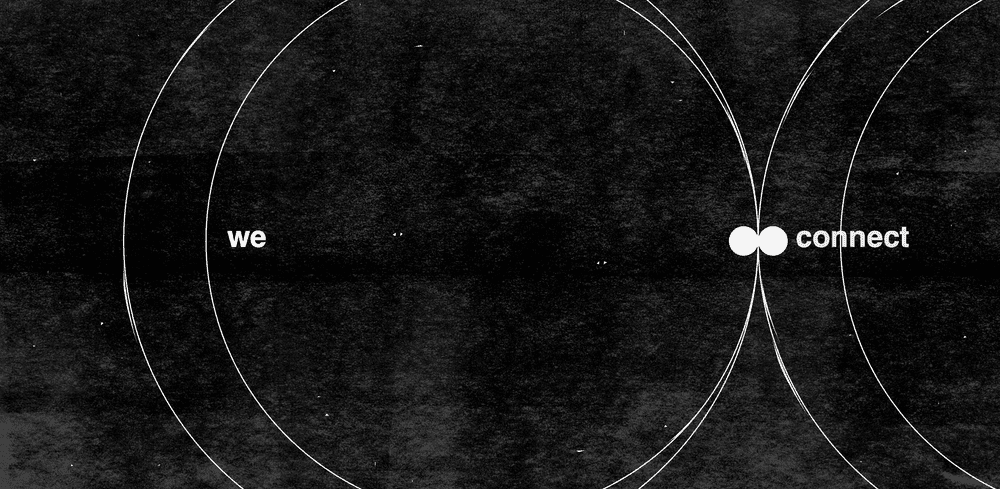
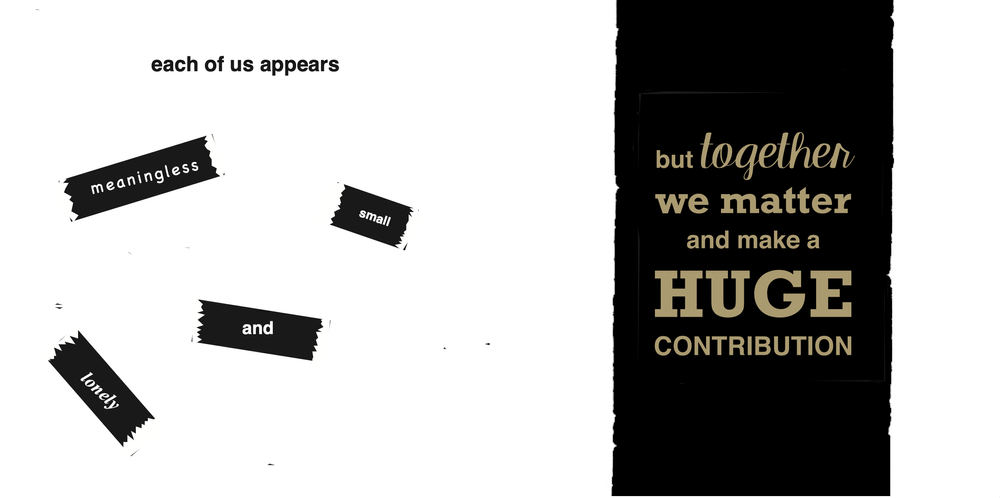
To translate the research into a universal story, the concept became an illustrated narrative narrated by a dot searching for belonging.
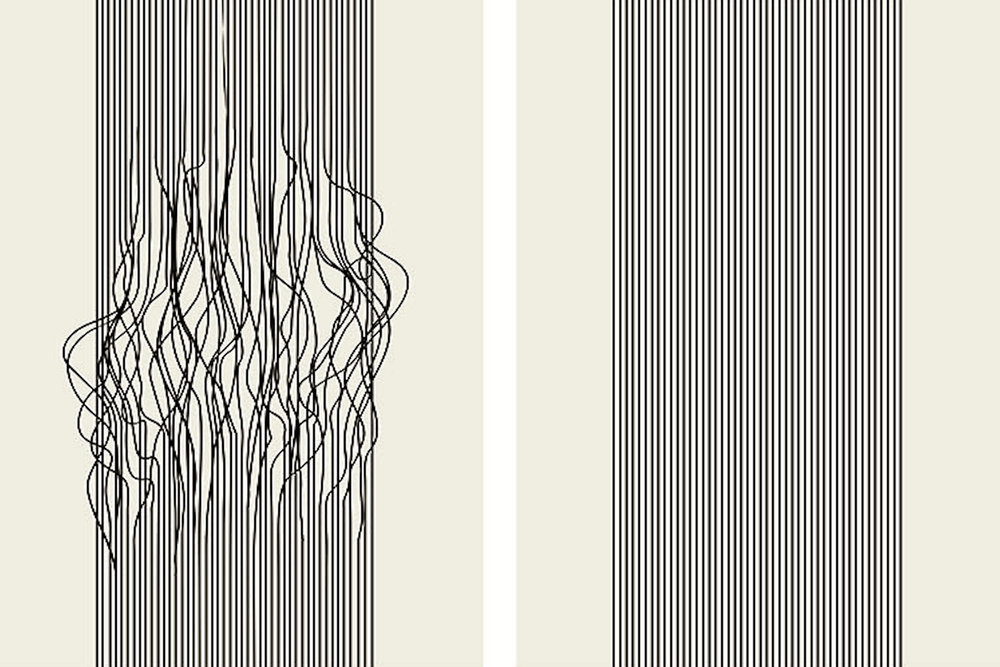
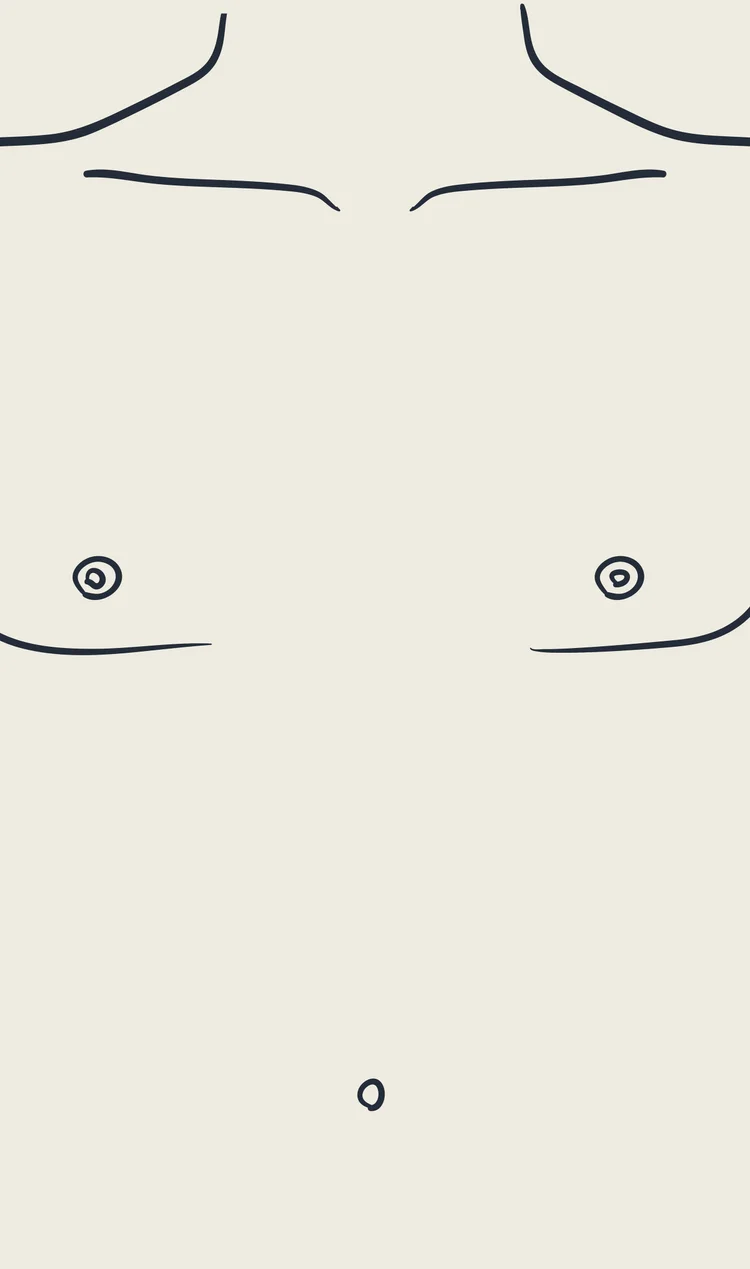
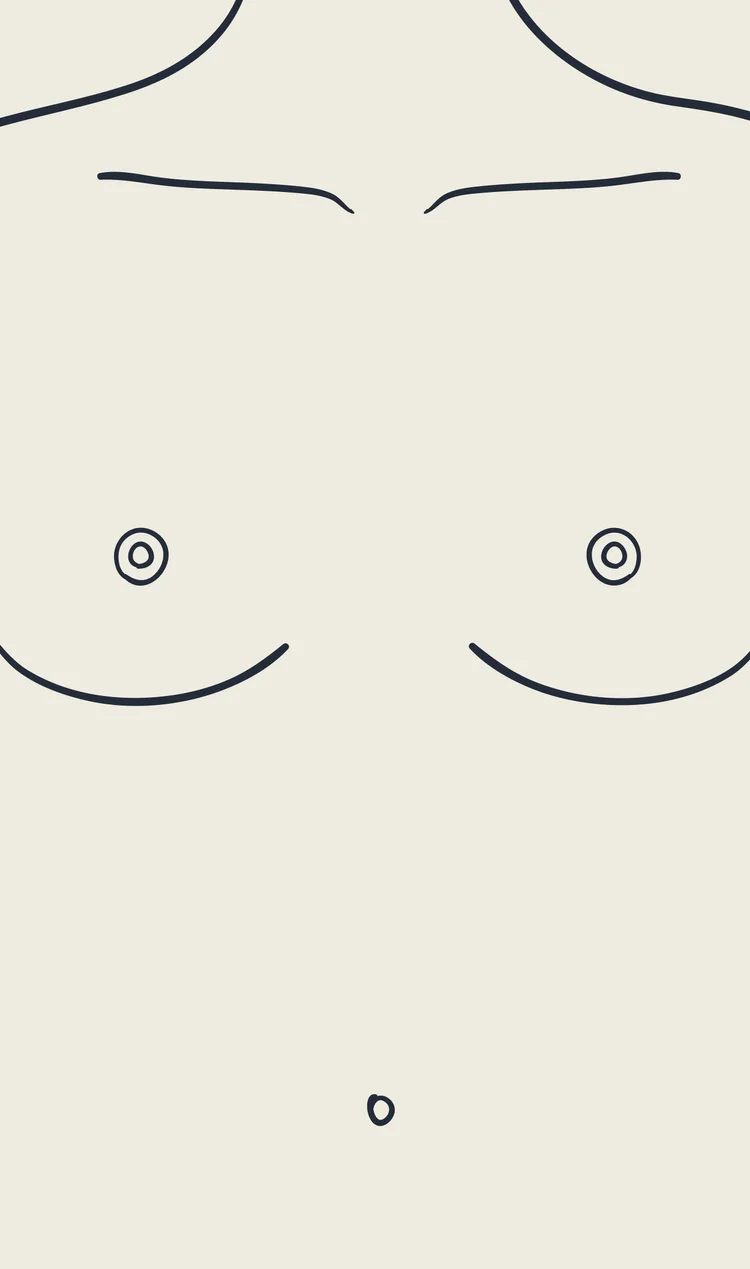
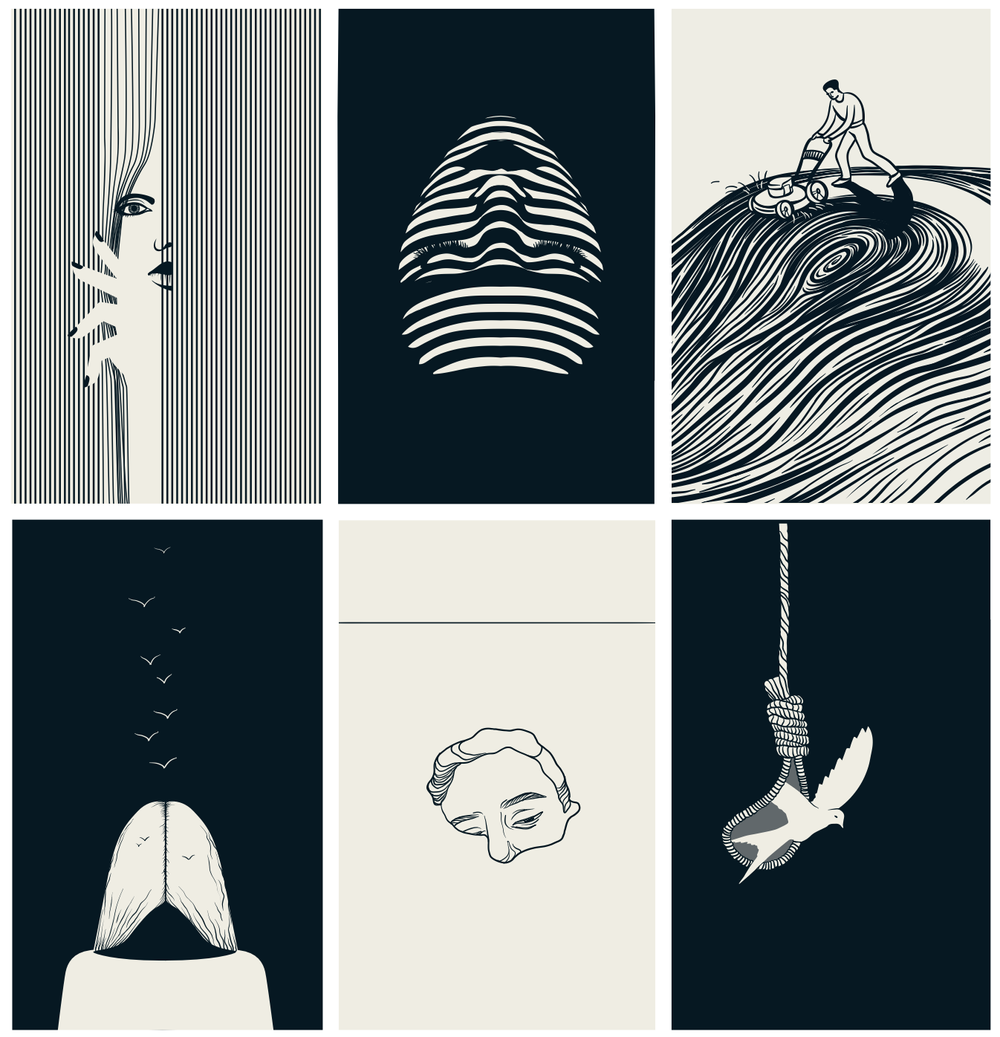
From the Beyond the Lines poster series.
Each pair asks what lines do: confine desire, transmit emotion, and assign different rules to similar bodies.
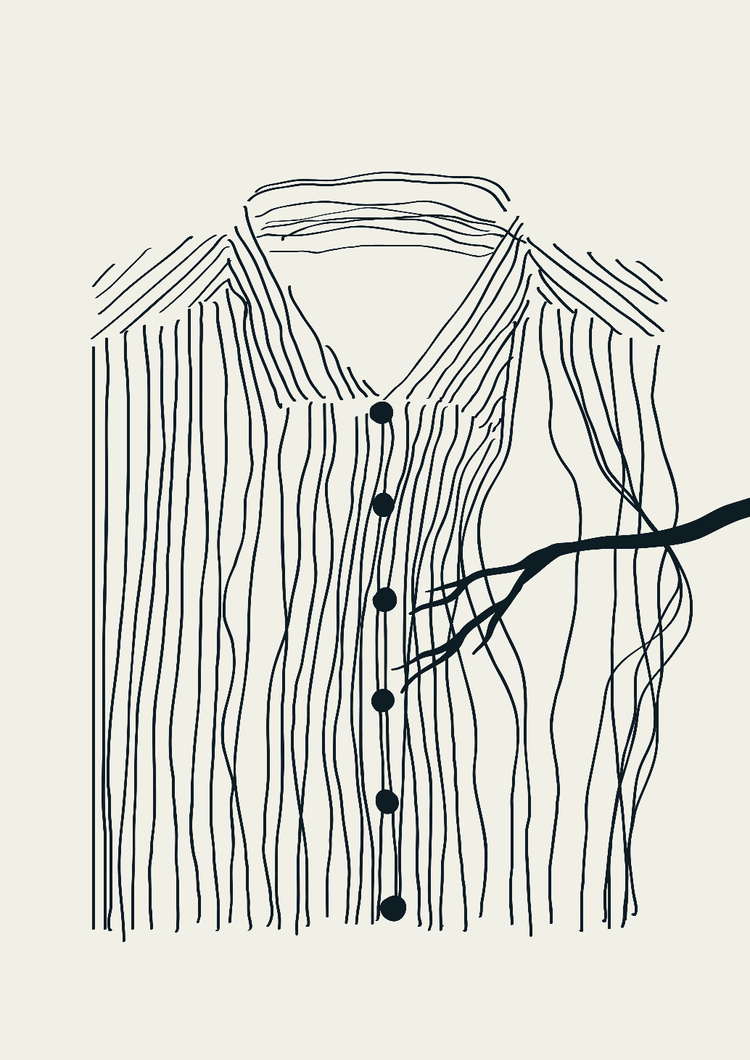
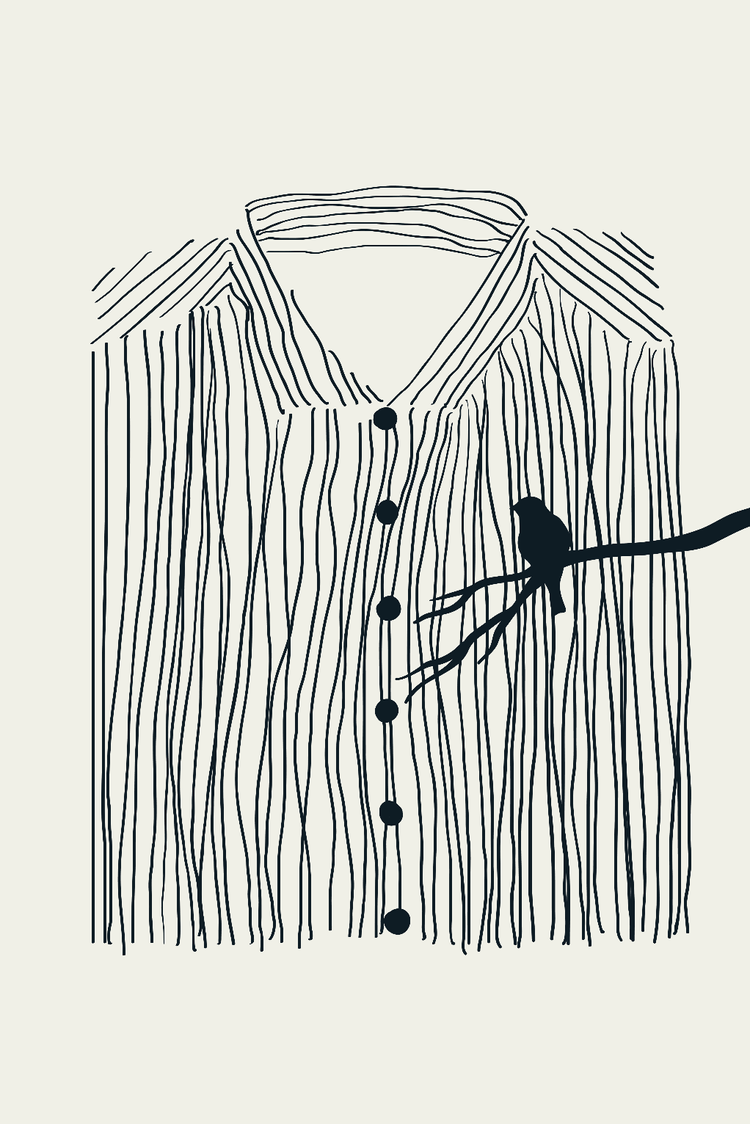
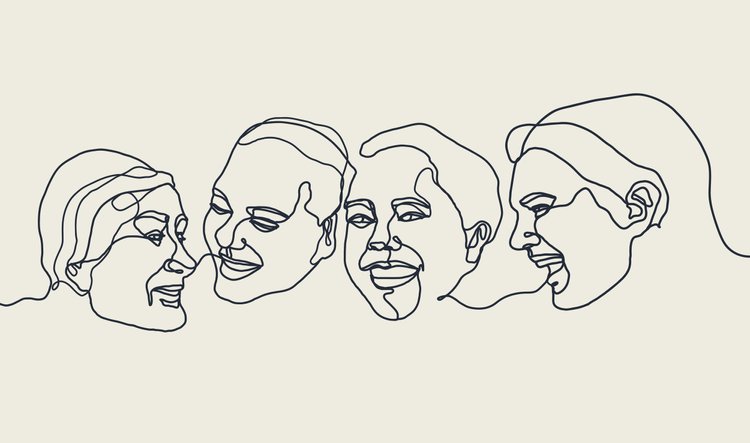
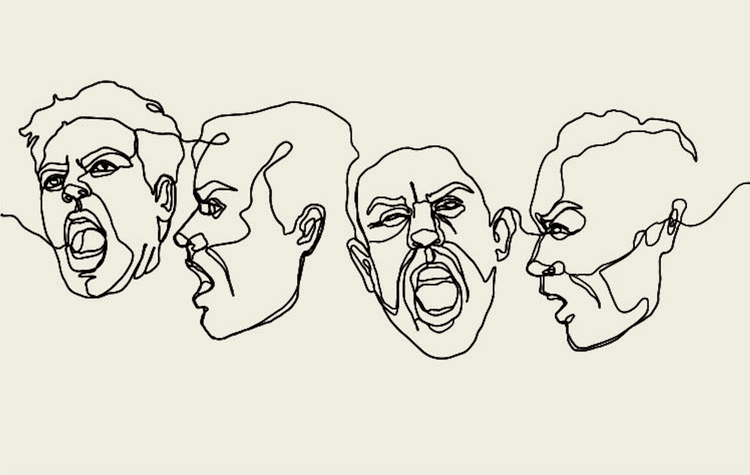
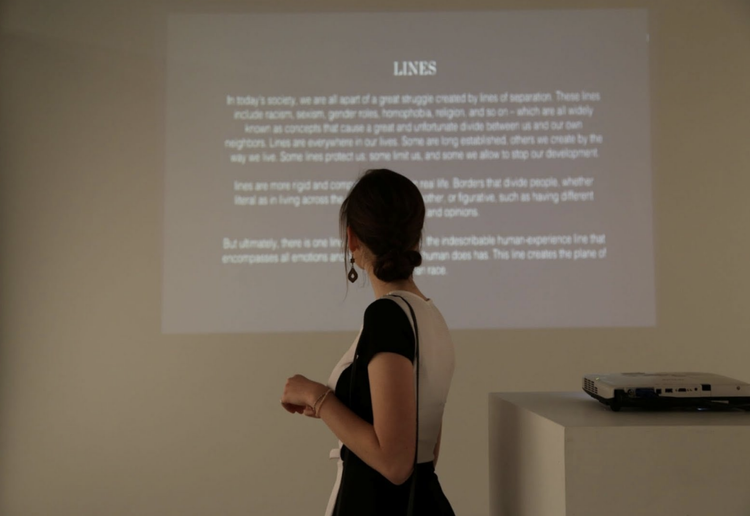
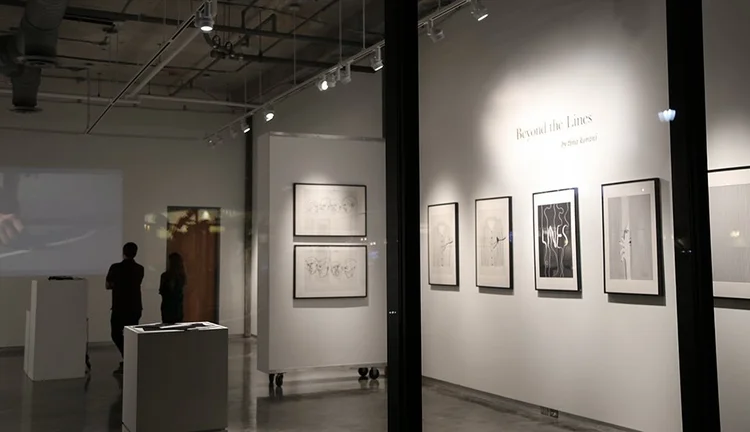
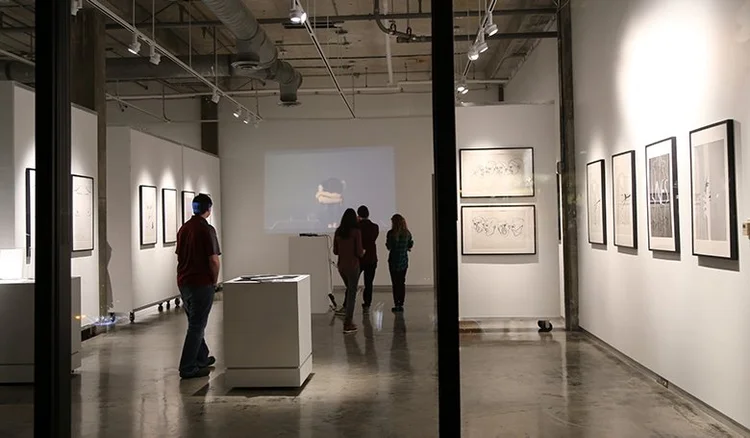
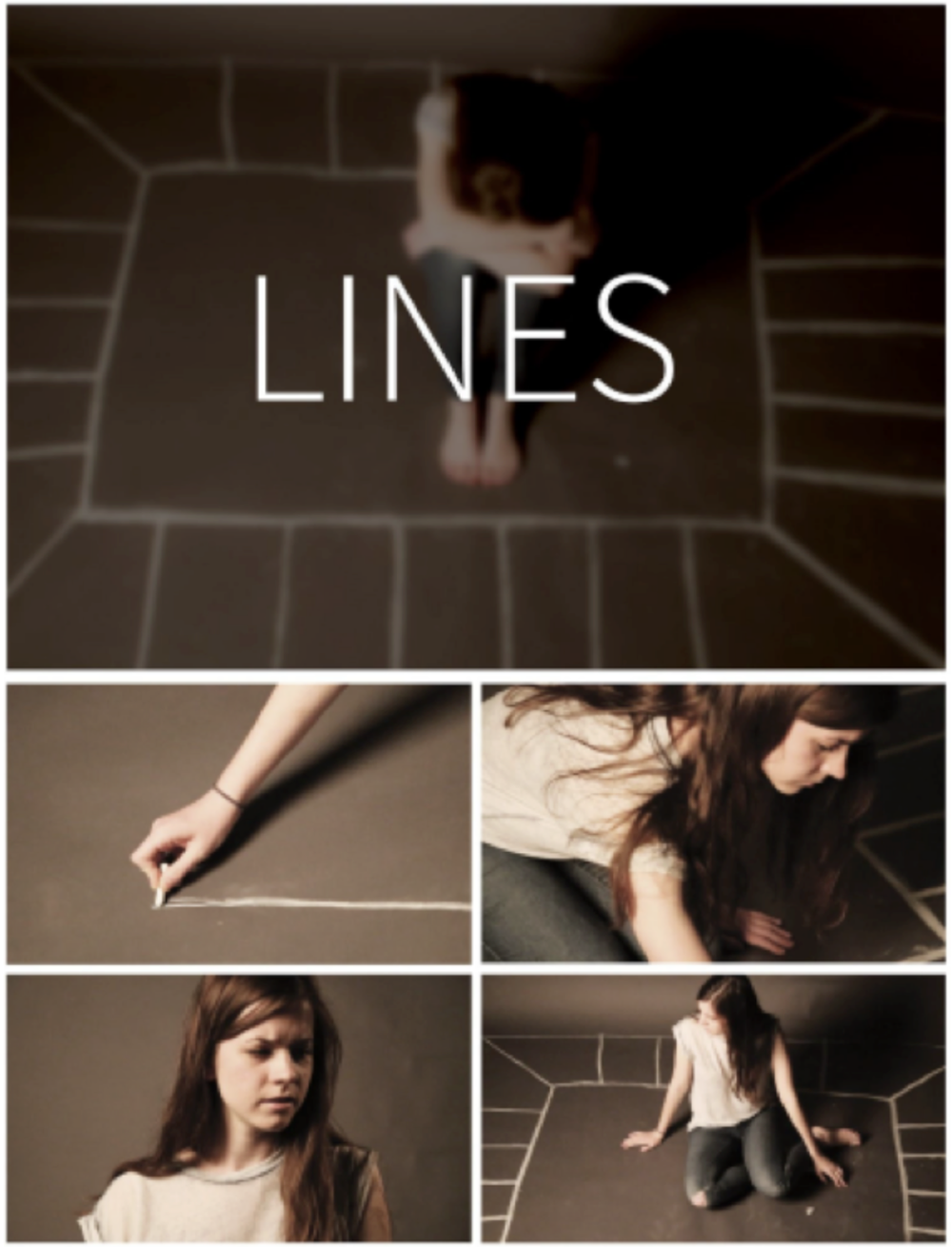
Alongside the posters, Lines became a short film, shot in black and white and built around a single actress rather than illustrated characters, so the audience could recognize themselves in it more directly. It follows the same events many people have lived through, racism, sexism, and the quieter moments of being boxed in by someone else's line, using a restrained palette to keep the focus on the lines themselves rather than the scene around them.
"Once upon a time I was a dot, randomly placed in millions of possibilities upon a canvas... Where do I belong?
I start to create my own shape with lines... As I go high to the sky I see them all, they are beautiful images on their own... This is where I belong."
Beyond the Lines, Tina Korani
Some lines protect us. Some limit us. The goal was never to erase them, but to see them clearly enough to choose which ones to keep.